Hi Guys,
Cody is back, today we will talk about change Mindset for SAP Public Cloud (GROW with SAP).
I know there are challenges that stop you moving to SAP S/4HANA Cloud Public Edition. In this topic i will share to you my perspective what we should know and confident to move to Public Cloud.
Let’s start.
In this article i will go to 04 topics:
1. What are challenges of on-premise system now
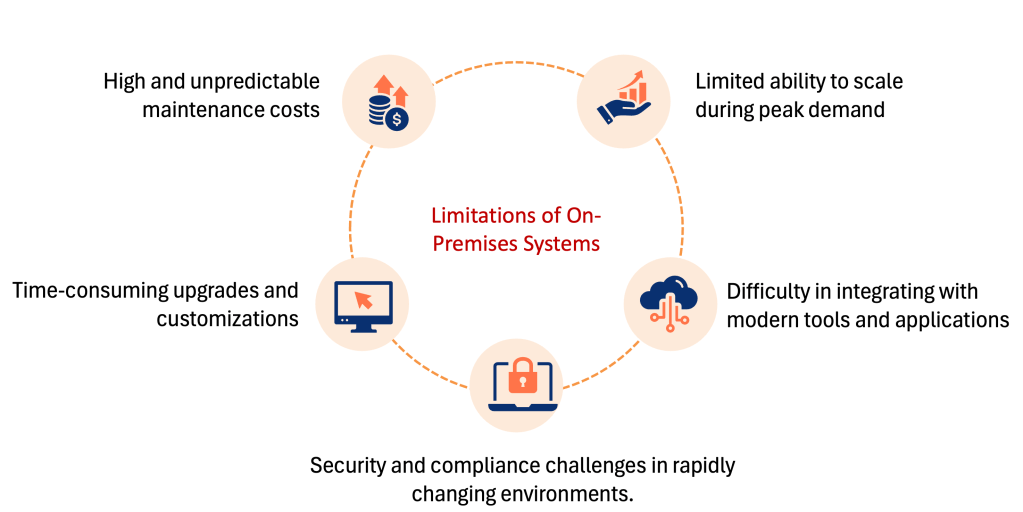
High and unpredictable maintenance costs in on-premises systems arise from hardware repairs, software updates, and escalating resource needs as systems age. These costs disrupt budgets and limit flexibility for innovation. Moving to SAP Public Cloud reduces this burden with predictable, subscription-based pricing and minimal infrastructure management, enabling efficient resource allocation.
On-premises systems often face limited scalability during peak demand due to fixed infrastructure capacity. Businesses struggle to handle surges, leading to performance bottlenecks and potential revenue loss. SAP Public Cloud addresses this challenge by offering dynamic scalability, allowing organizations to adjust resources in real-time and efficiently meet fluctuating demands.
On-premises systems often face challenges integrating with modern tools and applications due to outdated architectures and limited compatibility. This hinders business agility and innovation, making it difficult to adopt new technologies. SAP Public Cloud simplifies integration with its robust APIs, seamless connectivity, and compatibility with emerging digital solutions, driving efficiency and growth.
On-premises systems face significant security and compliance challenges in rapidly changing environments. Keeping up with evolving regulations and emerging threats demands constant updates, monitoring, and specialized expertise. SAP Public Cloud mitigates these issues by offering advanced security measures, automatic compliance updates, and global standards, ensuring robust protection and regulatory alignment.
On-premises systems often require time-consuming upgrades and customizations, delaying innovation and disrupting operations. Manual updates can be complex and resource-intensive, while customizations risk compatibility issues with future upgrades. SAP Public Cloud streamlines this process through automated updates and configurable features, enabling faster adaptation to evolving business needs and reducing downtime.
2. Why SAP S/4HANA Cloud Public Edition?
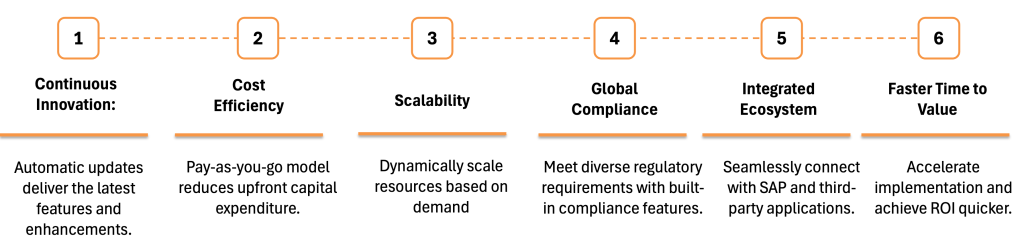
Continuous innovation is the ability to consistently enhance systems and processes, ensuring businesses stay competitive. SAP Public Cloud enables this by providing automatic updates, delivering the latest features and technologies without disruption. This approach allows organizations to adopt new capabilities rapidly, fostering agility, efficiency, and long-term growth in dynamic markets.
Cost efficiency is achieved by optimizing resources and reducing unnecessary expenses. SAP Public Cloud offers a subscription-based model, eliminating the need for large upfront investments in hardware and infrastructure. By reducing maintenance costs and enabling pay-as-you-go scalability, businesses can allocate budgets strategically, maximizing value and improving overall financial efficiency.
Scalability is the ability to adjust system resources to meet changing demands efficiently. SAP Public Cloud offers dynamic scalability, allowing businesses to expand or reduce capacity in real time based on workload. This flexibility ensures optimal performance during peak periods, supports growth, and eliminates the need for over-provisioned infrastructure.
Global compliance ensures adherence to diverse regulatory standards across regions. SAP Public Cloud simplifies this by offering built-in compliance tools that align with global laws, such as GDPR, HIPAA, and industry-specific regulations. With automated updates and robust security measures, businesses can operate confidently across borders while maintaining regulatory requirements efficiently.
An integrated ecosystem connects systems, applications, and data seamlessly, fostering collaboration and efficiency. SAP Public Cloud enables this through robust APIs and compatibility with SAP and third-party tools. It unifies operations across departments, enhances data accessibility, and supports end-to-end workflows, driving streamlined processes and better decision-making across the organization.
Faster time to value refers to quickly realizing the benefits of a solution after implementation. SAP Public Cloud accelerates this by offering pre-configured solutions, rapid deployment, and automated updates. Businesses can streamline operations, reduce setup time, and achieve measurable outcomes faster, enabling a quicker return on investment and competitive advantage.
3. Mindset Shift
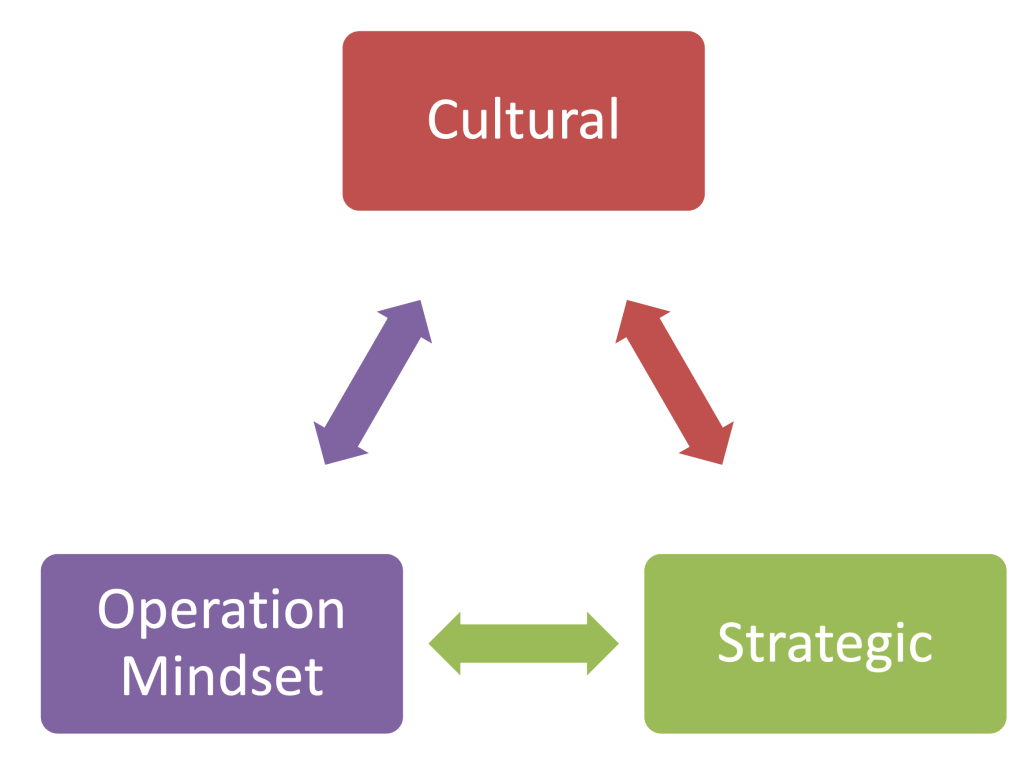
From Ownership to Access : Shifting from ownership to access means transitioning from owning infrastructure to leveraging cloud-based services. SAP Public Cloud embodies this approach with a subscription model, eliminating costly hardware investments. Businesses focus on outcomes rather than maintenance, gaining flexibility, scalability, and the latest innovations without the burdens of managing physical systems.
Moving from static to dynamic : Involves transitioning from rigid, fixed systems to adaptable, real-time solutions. SAP Public Cloud supports this shift by offering automated updates, scalable resources, and real-time analytics. Businesses gain agility to respond to changing demands, ensuring continuous improvement and maintaining competitiveness in a rapidly evolving market.
Shifting from isolated to collaborative : systems fosters greater teamwork and integration across departments. SAP Public Cloud enables this by centralizing data and providing shared tools accessible in real time. Teams can collaborate seamlessly, breaking down silos, enhancing communication, and driving efficiency, innovation, and alignment toward common organizational goals.
Moving from reactive to proactive : involves anticipating challenges and making data-driven decisions before issues arise. SAP Public Cloud empowers this shift with real-time analytics, predictive insights, and automation. Businesses can identify trends, mitigate risks, and seize opportunities early, ensuring agility, improved efficiency, and sustained competitive advantage in dynamic environments.
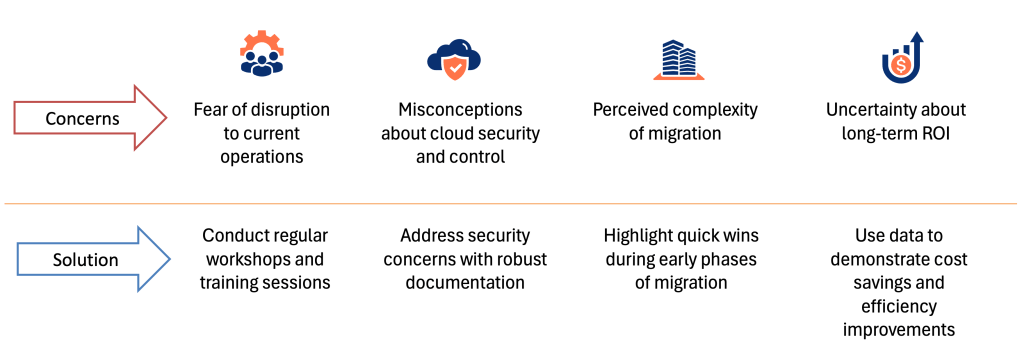
4. Overcoming Resistance to Change
5. Steps to Transition Successful
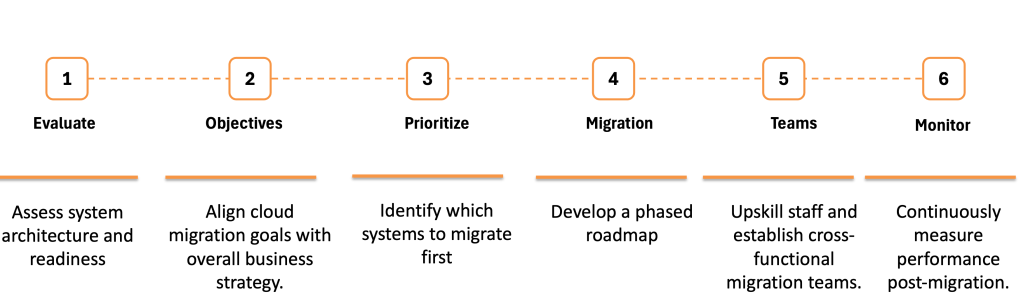
Assessing system architecture and readiness is a critical first step in cloud migration. This involves evaluating current infrastructure, identifying dependencies, and understanding performance bottlenecks. By analyzing existing systems, businesses can pinpoint areas for optimization, determine compatibility with SAP Public Cloud, and create a solid foundation for a smooth transition.
Aligning cloud migration goals with overall business strategy ensures that the transition supports organizational objectives. By integrating cloud adoption with priorities like scalability, cost efficiency, and innovation, businesses can maximize value. SAP Public Cloud enables strategic alignment, helping organizations achieve targeted outcomes and maintain focus on long-term growth and competitive advantage.
Identifying which systems to migrate first is crucial for a successful cloud transition. Businesses should prioritize non-critical or standalone applications to minimize risk and gain early experience. Factors like complexity, dependencies, and potential impact on operations guide the selection, ensuring a phased approach that builds confidence and momentum for broader migration.
Developing a phased roadmap ensures a structured and manageable cloud migration. This approach breaks the process into clear stages, starting with planning and small-scale migrations, followed by scaling up to critical systems. A phased roadmap minimizes disruption, enables continuous learning, and allows for adjustments to optimize the transition to SAP Public Cloud.
Upskilling staff and forming cross-functional migration teams are essential for a smooth cloud transition. Training equips employees with the skills to manage SAP Public Cloud effectively, while diverse teams bring together expertise from IT, operations, and business units. This collaboration ensures a seamless migration and alignment with organizational goals.
Continuously measuring performance post-migration ensures the success and optimization of SAP Public Cloud adoption. By monitoring key metrics like system uptime, response times, and cost savings, businesses can identify areas for improvement. Regular evaluations enable proactive adjustments, ensuring the cloud environment delivers consistent value and aligns with evolving business needs.
Thanks and hope this article is useful for you.
Dang Vinh Cuong (Cody)
 SAP Zero to Hero